Field Dispatches · Sovereign Media · Creator Ownership
News From The World's Mayor
Field dispatches for people building story into sovereignty.
Read dispatches from the ground, strategy notes on Media Company in a Box, and updates on the movement to help creators and communities own their stories.
Looking for the blog posts? Keep scrolling.
The article archive begins below this intro gateway.
4× #1 Author
126+ IMDb Credits
Cameroon + Uganda
Sovereign Media
Featured Dispatch
The Cameras Are Not Coming. So We Built the Rails.
A clear field update on the shift from waiting for perfect conditions to deploying sovereign media training through the infrastructure that already exists.
Start here to understand the next evolution of the mission: less performance, more capacity; less dependency, more ownership.
Dissociative Identity Disorder: Clinical Insights, Treatment, and Lived Experience | Joshua T. Berglan
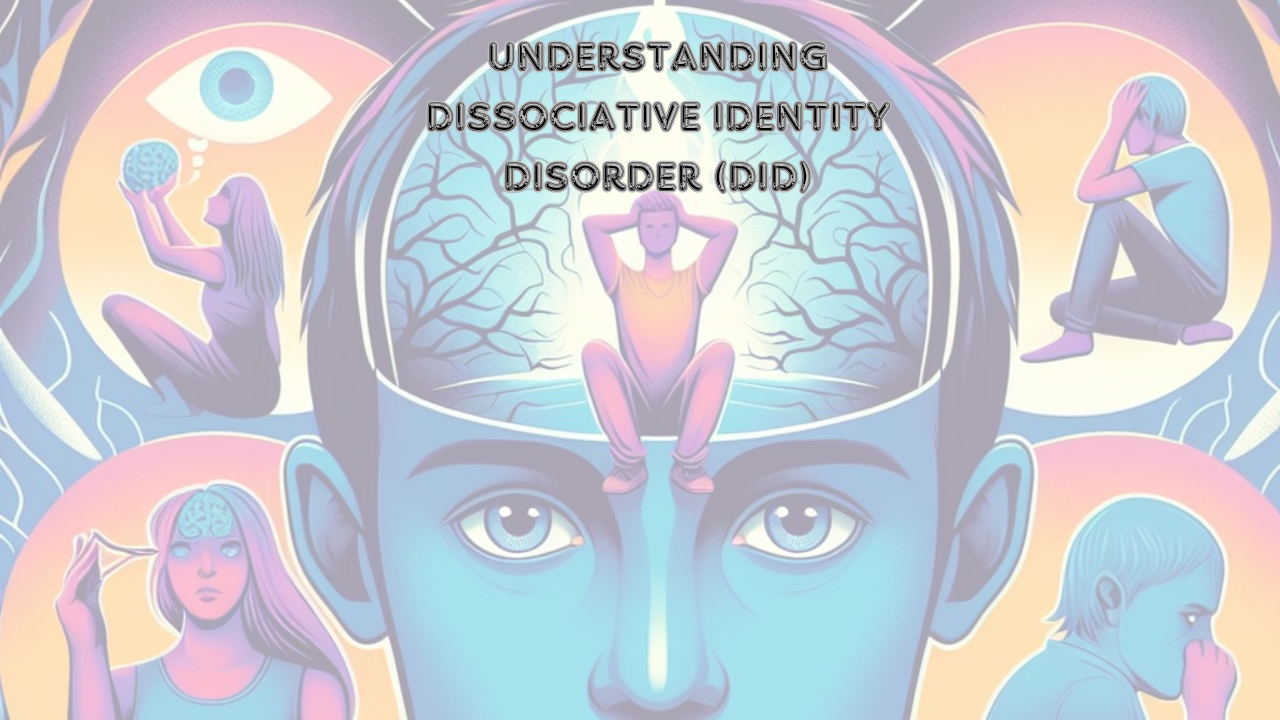
Dissociative Identity Disorder: Unveiling the Complexity of the Human Mind
Clinical Exploration and Lived Experience with Joshua T. Berglan
Executive Summary: Key Takeaways
Etiology
DID typically emerges as a sophisticated defense mechanism in response to severe, repetitive Childhood Trauma.
Diagnostic Standard
Modern diagnosis relies on the DSM-5
criteria, identifying two or more distinct Personality States
within one individual.
Clinical Treatment
Long-term Psychotherapy
is the primary treatment, focusing on stabilization, trauma processing, and system cooperation.
Prevalence
DID affects approximately 1% of the global population, making it as common as Schizophrenia, yet significantly more stigmatized.
What is Dissociative Identity Disorder (DID)?
Dissociative Identity Disorder (DID)
is a complex psychological condition characterized by the presence of two or more distinct personality states or identities that recurrently take control of an individual's behavior. Primarily caused by severe Early Childhood Trauma, the brain utilizes dissociation as a survival strategy to partition overwhelming memories and emotions from the core identity.
How Does Childhood Trauma Lead to Dissociative Identity Disorder?
The development of DID
is deeply rooted in the brain's incredible capacity for adaptability. When a child is exposed to extreme, repetitive physical, sexual, or emotional abuse, the mind may "split" into separate entities to sequester the trauma.
By creating Distinct Identities
to handle specific aspects of the individual's life, the brain prevents the total collapse of the self. This Dissociative Defense Mechanism
allows the child to function in day-to-day life while burying the imprint of abuse in subconscious partitions.
"Trauma is not just an event that took place sometime in the past; it is also the imprint left by that experience on mind, brain, and body... Dissociation is the essence of trauma." — Dr. Bessel van der Kolk, Author of The Body Keeps the Score
How is DID Diagnosed Beyond Hollywood Tropes?
Forget the sensationalized portrayals in film; the clinical diagnosis of Dissociative Identity Disorder
is a delicate and rigorous process. Mental health professionals utilize the DSM-5 (Diagnostic and Statistical Manual of Mental Disorders)
to identify consistent markers of the disorder.
The Diagnostic Evaluation Process:
Identify Alternative Identities:
Confirming two or more distinct personality states, each with unique perceptions and memories.
Amnesia Gaps:
Documenting recurrent gaps in the recall of everyday events or personal information that exceed ordinary forgetfulness.
Clinical Distress:
Ensuring the symptoms cause significant impairment in social, occupational, or other areas of functioning.
What are the Proven Treatment Options for DID?
While there is no pharmaceutical "cure" for DID, effective management through Trauma-Informed Care
allows individuals to lead stable, productive lives. The focus is on system collaboration rather than the elimination of identities.
Psychotherapy: The Cornerstone of Integration
Talk therapy is the primary modality for treating DID. Treatment typically follows a three-stage model:
Safety and Stabilization:
Establishing coping mechanisms to manage dissociative symptoms and daily life stressors.
Trauma Processing:
Carefully addressing the underlying childhood abuse that necessitated the split.
System Cooperation/Integration:
Fostering communication between identities to achieve a harmonious "boardroom of the mind."
The Devil Inside Me: A Concept Film exploring the internal landscape of DID.
The Reality of Living with Dissociative Identity Disorder
Navigating daily life with Multiple Personalities
involves a constant negotiation of time and agency. Tasks like maintaining long-term employment or stable relationships require a high degree of internal communication and system self-awareness.
Joshua T. Berglan shares his personal journey to de-stigmatize the condition, emphasizing that while every "system" is unique, the common thread is the pursuit of Mental Health
and authenticity. Reaching out for help is not a sign of weakness; it is the ultimate act of survival and strength.
A Personal Message from Joshua
Thank you for taking the time to understand the complexities of DID. My personal experience has taught me that integration and peace are possible with the right support.
Dissociative Identity Disorder
is a testament to the human brain’s will to survive the unsurvivable. By replacing judgment with Empathy
and clinical expertise, we can foster a world where those living with DID
are empowered to find their own truth and path toward healing.

Below is the living archive of field notes, frameworks, and reflections from the work of building sovereign media infrastructure
through Media Company in a Box, The Sovereign Protocol, and The Sovereign Franchise.
Field NotesMedia Company in a BoxCreator OwnershipSovereign Media
Watch Joshua T. Berglan and Ngum Dieudonne teach Google NotebookLM for slides, reports, podcasts, videos, study guides, data tables, and AI productivity skills.
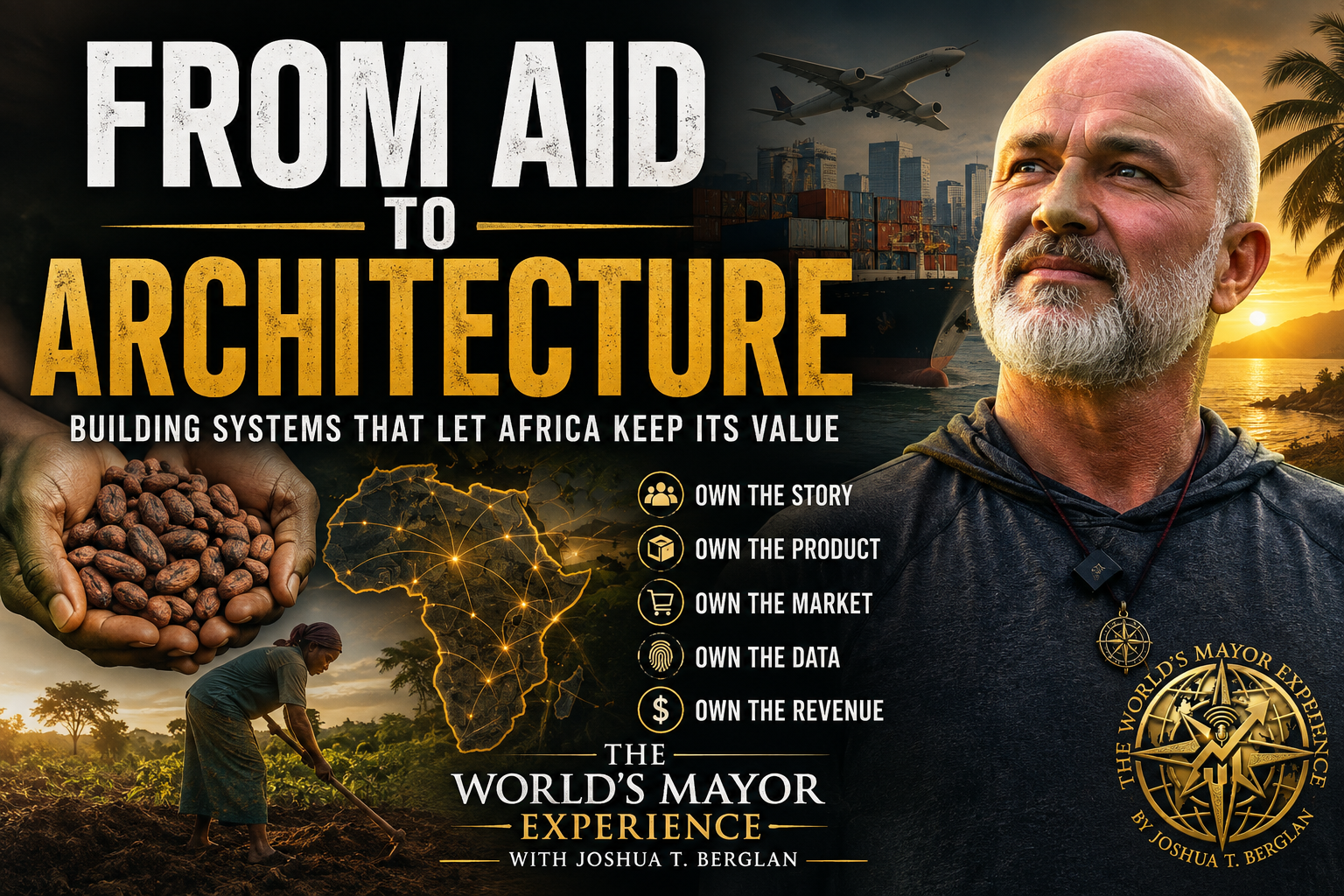
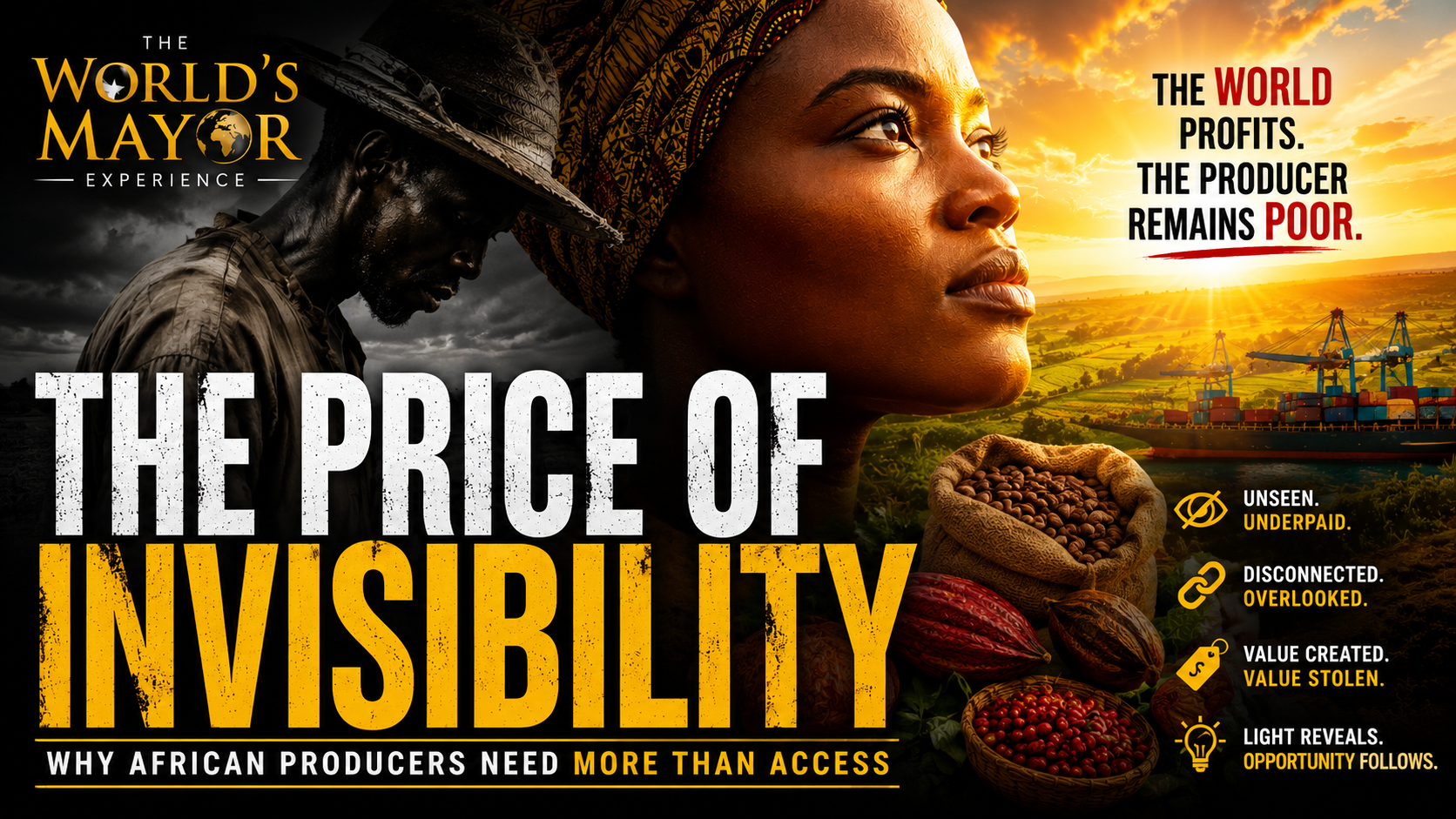
A continent grows the world’s food, yet many African farmers can’t afford next season’s seeds. Joshua T. Berglan on agriculture, ownership, trust, & food sovereignty
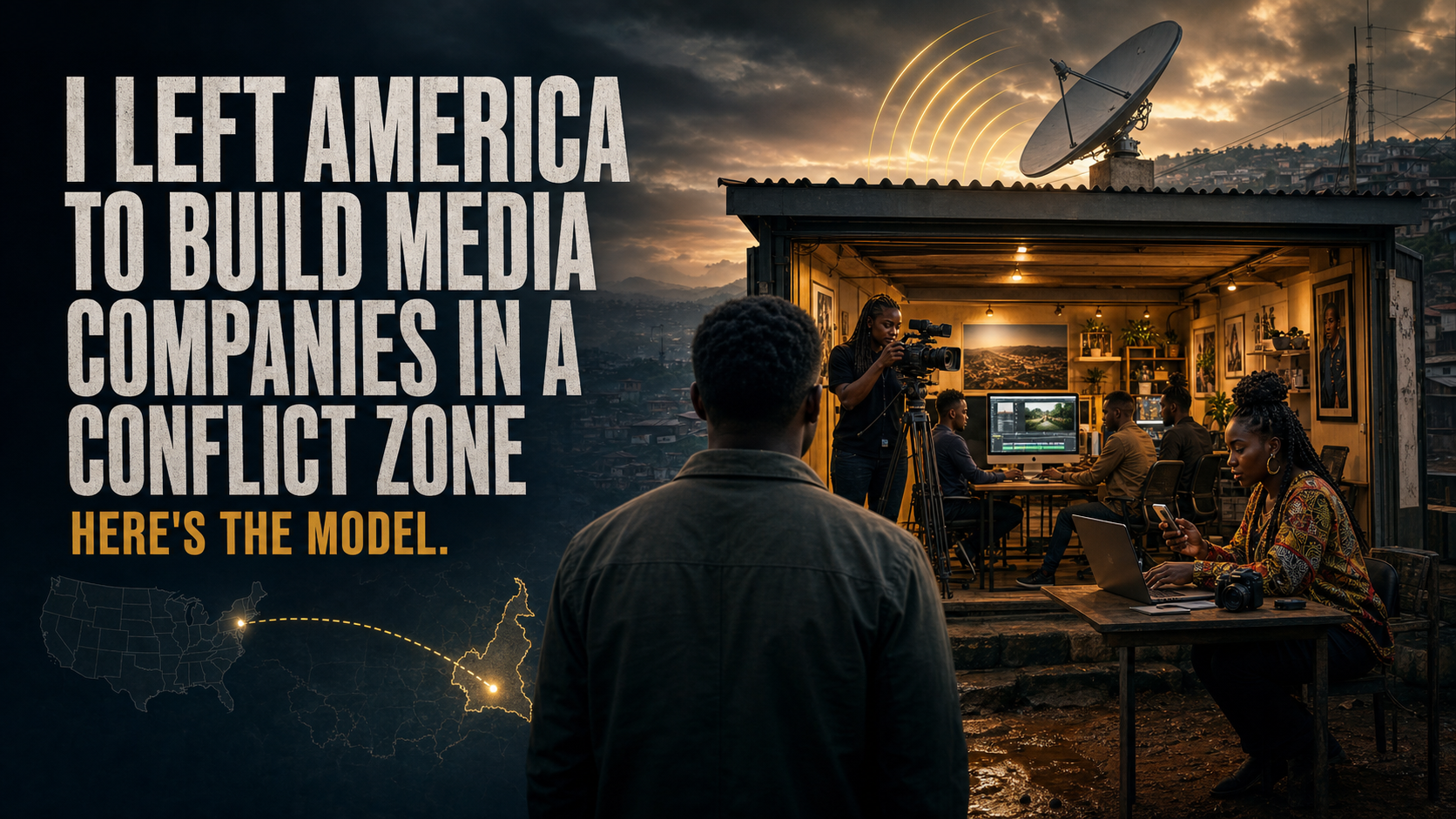
From Limbe, Cameroon: Joshua T. Berglan exposes why charity failed donors and the people it was meant to help — and the sovereign answer already operational.
Joshua Berglan writes from Limbe on The Sovereign Protocol in Cameroon — the Cell Phone Sovereignty Workshop, Melvis Touch, and what this country keeps teaching him.
Five hours of teaching from the live Cell Phone Sovereignty Workshop in Cameroon. Sovereign media, AEO, and income streams — built entirely from a phone.
Joshua Tah-Lah Berglan & Princess Abumbi Prudence unveil the Bafut Royal Echo Village: a sovereign media franchise empowering Cameroon & all of Africa.
Joshua T. Berglan is in Bafut, Cameroon building a sovereign media franchise — not a charity. Five nodes. Solar first. Indigenous innovation. See the blueprint.
In Cameroon's conflict zones, three women journalists tell the stories others won't. Guest feature by Neba Jerome Ambe on The World's Mayor Experience.
From tremors to transformation — a raw field dispatch from Bafut & Bamenda. New workshops, media partnerships, a talent show, and why I'm staying no matter what.
Students at COTECC school in Bafut, Cameroon share dreams of becoming doctors, lawyers & engineers — and the basic tools they need to get there. Will you help?
Field report from Joshua T. Berglan's deployment to Bafut Kingdom, Cameroon. Launching The Sovereign Protocol to prove media sovereignty beats charity.
Joshua T. Berglan reports from Bamenda, Cameroon — the world's most neglected crisis — on the Sovereign Protocol, unexpected healing, and why Africa rises.